

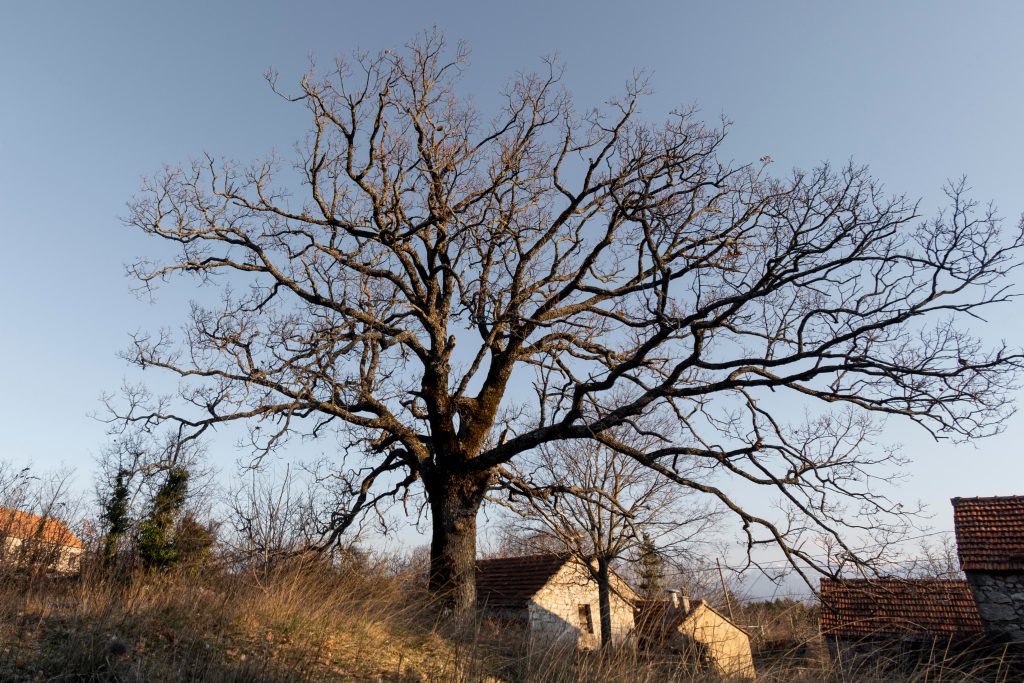
A dead tree in your yard is more than an eyesore—it’s a potential hazard. Dead trees can fall unexpectedly, damage property, or attract pests. Knowing how to remove a dead tree safely is crucial for homeowners. Whether you want to attempt DIY dead tree removal or hire professionals, following proper safety protocols and step-by-step guidance ensures a smooth, hazard-free process.
Here are some essential tips, tools, removal techniques, and mistakes to avoid, giving you a comprehensive tree removal guide.
1. Identify Signs a Tree Needs to Be Removed
Before removal, it’s important to determine if a tree is truly dead. Common signs a tree needs to be removed include:
- Leafless branches in spring or summer when most trees should be in full foliage
- Brittle or cracked branches that snap easily
- Fungal growth on the trunk or at the base
- Loose or missing bark
- Leaning or unstable trunk
- Presence of pests like termites or beetles
Properly identifying a dead tree prevents unnecessary removal of healthy trees and ensures your safety.
2. Assess the Risk and Plan Ahead
Safety is the most critical factor in how to remove a dead tree. Before starting:
- Inspect the area for power lines, structures, or vehicles nearby
- Check wind conditions; avoid removal on windy days
- Plan an escape route in case the tree falls unexpectedly
- Determine the method: cutting in sections, felling entirely, or using machinery
Thorough planning reduces accidents and property damage during tree removal.
3. Gather the Right Tools
The correct tools make the job safer and more efficient. Essentials for DIY dead tree removal include:
- Chainsaw or handsaw (ensure sharp blades)
- Safety gear: gloves, helmet, eye protection, ear protection, and steel-toe boots
- Rope or winch for controlled lowering
- Ladder or scaffolding for taller trees
- Axe or hatchet for smaller branches
Having the right equipment is key to avoiding injuries and ensuring a clean removal.
4. Follow Proper Safety Guidelines
Dead trees can be unpredictable. Safety tips include:
- Never remove large trees alone; always have a helper
- Stand clear of the tree’s falling path
- Keep bystanders and pets away
- Maintain a firm footing, especially on slopes or uneven ground
- Avoid cutting near electrical lines; call professionals if in doubt
Safety precautions are essential to prevent accidents during removal.
5. Step-by-Step DIY Dead Tree Removal
For smaller trees, homeowners can follow these steps:
- Trim smaller branches from the top down using a handsaw or chainsaw
- Cut sections of the trunk into manageable pieces, starting from the top
- Use ropes to control the fall of larger sections
- Remove the stump using digging tools, stump grinders, or natural decomposition methods
- Dispose of debris via municipal pickup, composting, or wood recycling
Breaking the process into smaller steps makes it safer and more manageable.
6. How to Uproot a Dead Tree
Uprooting a tree is more involved than cutting it down. Key methods for how to uproot a dead tree safely:
- Manual digging: Dig around the base and cut roots with a shovel or axe
- Mechanical removal: Use a skid-steer loader or stump grinder for large trees
- Chemical stump removal: Apply chemicals to accelerate root decomposition
- Winch or rope: Pull smaller dead trees out with controlled leverage
Choose a method based on the tree’s size, location, and your available tools.
7. Consider Professional Tree Removal
While small trees may be manageable as DIY projects, hiring experts is often safer and faster for large or hazardous trees. Professional arborists provide:
- Expertise in felling trees near structures or power lines
- Specialized equipment for large tree removal
- Safe disposal and recycling of debris
- Reduced risk of property damage or personal injury
Professionals are especially recommended for urban areas or trees with complex access issues.
8. Avoid Common Tree Removal Mistakes
Many homeowners make errors that complicate dead tree removal:
- Attempting to cut a large tree alone
- Ignoring overhead power lines
- Using dull or inappropriate tools
- Underestimating the weight or lean of the tree
- Failing to plan an escape route
Being aware of these mistakes ensures a safer and more efficient process.
9. Proper Disposal of Tree Debris
After cutting or uprooting, it’s important to dispose of wood and branches safely:
- Chipping: Use a wood chipper to create mulch
- Firewood: Season larger logs for heating or landscaping use
- Municipal yard waste collection: Check local guidelines for pickup
- Composting: Branches and smaller twigs can be composted
Safe disposal keeps your yard clean and reduces environmental hazards.
10. Maintain Safety After Removal
Even after the tree is gone, ensure your yard is safe:
- Fill holes or depressions left by the stump
- Check for remaining weak roots or branches
- Inspect nearby trees for potential risks
- Clean tools and store them safely
Post-removal care reduces future hazards and prepares your yard for landscaping or planting.
11. DIY Dead Tree Removal Tips
For homeowners attempting removal themselves:
- Start with smaller, easier sections first
- Work with a partner for safety and efficiency
- Use ropes to guide heavy limbs and trunks
- Wear all recommended personal protective equipment (PPE)
- Take frequent breaks to prevent fatigue and accidents
Following these tree removal tips makes DIY projects manageable and safe.
12. Know When to Replace the Tree
Once the dead tree is removed, you may want to plant a new one:
- Select a species suitable for your climate and soil
- Consider spacing to avoid future hazards
- Choose disease-resistant or low-maintenance varieties
- Plan landscaping around the new tree to enhance your yard
Replanting ensures your landscape remains beautiful and functional.
Learning how to remove a dead tree safely protects both your property and your family. From recognizing signs a tree needs to be removed to proper tools, step-by-step techniques, and disposal methods, this guide covers everything homeowners need for a safe, efficient process. Whether tackling DIY dead tree removal or hiring professionals, following safety guidelines and planning carefully ensures the task is completed without accidents.
Remember: a dead tree is a hazard, but with preparation, knowledge, and caution, it can be removed safely, leaving your yard ready for new growth and beautiful landscaping.
