

Assess the Branch and Surrounding Area
Before you make the first cut, take time to carefully evaluate the branch you plan to remove. Walk around the tree from multiple angles and examine the branch’s diameter, length, and position relative to your home, power lines, fences, and neighboring properties. Branches thicker than four inches in diameter or extending more than ten feet in length require extra caution and may exceed safe DIY limits.
In the Willow Spring area, common species like oak, pine, and sweetgum develop heavy lateral branches that can pose serious risks during removal. Summer thunderstorms and winter ice events create seasonal stress on these branches, making late spring and early fall ideal times for planned trimming work. Check for signs of decay, hollow sections, or weak attachment points at the branch collar. A branch with visible cracks, fungal growth, or dead wood may behave unpredictably when cut.
Map out the branch’s natural fall zone. Will it clear your roof, deck, or garden beds when it drops? Is there enough open space for the branch to land safely? If power lines run anywhere near the branch, stop your assessment immediately and contact your utility company or a licensed tree removal service. Working near electrical lines without proper training and equipment can be fatal. Document the branch location with photos and measurements. This preparation helps you decide whether to proceed with DIY removal or call in professional help.
Gather the Right Safety Equipment and Tools
Safe branch removal depends entirely on having the correct tools and protective gear. Start with personal safety equipment: a hard hat rated for forestry work, safety glasses with side shields, heavy-duty work gloves with grip reinforcement, steel-toed boots, and hearing protection if using a chainsaw. Never skip these items, even for what seems like a simple cut.
For cutting, you will need either a hand pruning saw for branches up to three inches in diameter or a chainsaw for larger limbs. If you choose a chainsaw, make sure it is properly sharpened, fueled, and maintained. A sturdy extension ladder with stabilizing feet is essential for reaching elevated branches. Position the ladder on level ground and secure it before climbing. For branches higher than fifteen feet, consider a pole saw to keep you safely on the ground.
You will also need rope or rigging straps to control the branch’s descent, preventing it from free-falling onto structures or plantings. A come-along or pulley system can help lower heavy sections gradually. For particularly large or awkward branches, professional-grade equipment becomes necessary. Many property owners in Willow Spring and surrounding communities turn to a local tree trimming service for access to bucket trucks, professional rigging, and specialized saws. If you lack any critical tool or feel uncertain about equipment operation, renting or hiring professional support is the safer choice.
Plan Your Cutting Strategy and Angles
A successful branch removal hinges on proper cutting technique. The industry-standard approach is the three-cut method, designed to prevent bark from tearing down the trunk and causing long-term damage to the tree. Understanding this method protects both you and the tree’s health.
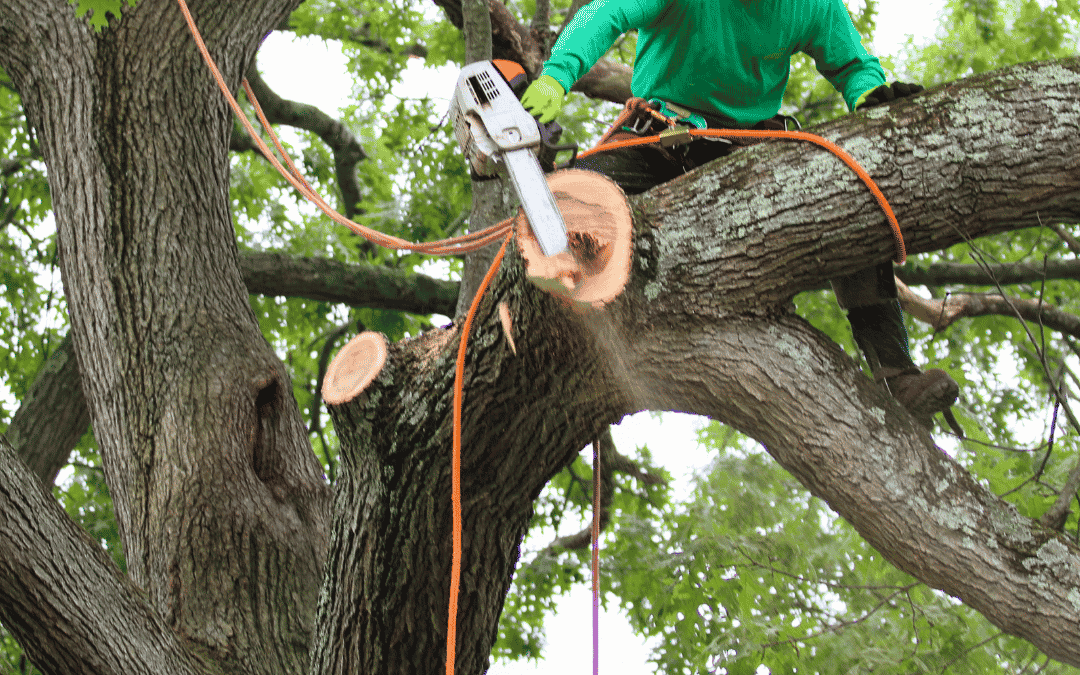
Begin with the undercut: position yourself on the underside of the branch, about twelve to eighteen inches away from the trunk. Make a shallow upward cut approximately one-third of the way through the branch diameter. This undercut prevents the branch from splitting and tearing bark as it falls. Next, move to the top side of the branch, one to two inches farther out from your undercut. Saw downward through the branch until it breaks away cleanly. The branch should snap off between your two cuts, leaving a manageable stub.
The final cut is the collar cut, which removes the remaining stub without damaging the branch collar (the swollen area where the branch meets the trunk). Position your saw just outside the branch collar and cut at a slight angle following the collar’s natural line. Avoid cutting flush with the trunk or leaving a long stub; both mistakes invite disease and decay. This collar tissue contains the tree’s natural defense chemicals and promotes proper wound closure.
For branches angled toward structures, plan your cuts to direct the fall away from your home. Use rope to control descent and prevent the branch from swinging into siding, windows, or roofing. Calculate the weight and balance of each section before cutting.
Execute the Removal Safely
With your plan in place and tools ready, you can proceed with the actual cutting. If working from a ladder, maintain three points of contact at all times (two feet and one hand, or two hands and one foot). Never overreach or lean to one side; reposition the ladder instead. Secure the ladder’s base and have a second person stabilize it from below, especially when making overhead cuts.
Start your cuts slowly and deliberately. Let the saw do the work rather than forcing it through the wood. Keep your body positioned to the side of the cutting line, never directly beneath the branch. Watch for shifting weight as you cut; large branches can rotate or kick back unexpectedly. If you tied a rope to control the branch, have your helper apply steady tension to guide the fall direction, but never tie the rope to a fixed object that might create sudden shock loads.
Listen to the wood as you cut. Cracking or popping sounds indicate the branch is beginning to fail. Stop cutting and reassess before proceeding. If the saw binds or pinches, the branch is shifting under its own weight. Withdraw the saw, reposition, and approach from a different angle. For branches larger than six inches in diameter or located more than twelve feet off the ground, the risk of injury increases significantly. Many homeowners in the Willow Spring area choose to contact a professional tree service for these situations, where specialized equipment and trained crews reduce risk substantially.
Clean Up and Dispose of Debris Properly
Once the branch is safely on the ground, your work shifts to cleanup and disposal. Large branches can generate significant debris, and proper disposal protects your property and keeps your neighborhood tidy. Begin by cutting the fallen branch into manageable sections, typically three to four feet in length. Smaller pieces are easier to handle, stack, and transport.
In North Carolina, many municipalities offer curbside yard waste collection on scheduled days. Check your local Willow Spring guidelines for size limits and bundling requirements. Branches may need to be tied in bundles no heavier than fifty pounds and cut to specific lengths. Some communities restrict the total volume per collection, so plan multiple pickups if you have substantial material.
Chipping is another option if you have access to a wood chipper. The resulting mulch can be used in garden beds, around trees, or along pathways. If you do not own a chipper, rental options are available, though operating this equipment requires caution and proper training. For property owners managing large-scale trimming or storm cleanup, calling a hauling service streamlines the process. These services handle loading, transport, and disposal, saving you time and physical strain.
Do not burn branches within town limits without checking local fire ordinances. Open burning restrictions vary by season and location. Leaving cut branches in place invites pests, creates tripping hazards, and detracts from your property’s appearance. Prompt, responsible disposal completes the job and keeps your landscape looking its best.
