

Essential Tree Care Strategies for Property Owners
Schedule Pruning During Dormant Seasons
Timing pruning work correctly minimizes stress and maximizes recovery for woody plants. Late winter provides ideal conditions for most deciduous species, allowing clear visibility of branch structure before spring growth begins. This dormant period reduces disease transmission risks and enables plants to heal efficiently once active growth resumes. In Willow Spring, late January through early March typically offers optimal windows before temperatures rise and buds break. Avoid fall pruning, which may stimulate vulnerable new growth before winter arrives. Species-specific timing matters significantly, particularly for spring-flowering varieties that should receive attention immediately after blooms fade to preserve next season’s display. Dead or damaged branches warrant immediate removal regardless of season to eliminate safety hazards. Proper timing protects your landscape investment while supporting vigorous, healthy growth patterns throughout the year.
Use Proper Cutting Techniques to Prevent Damage
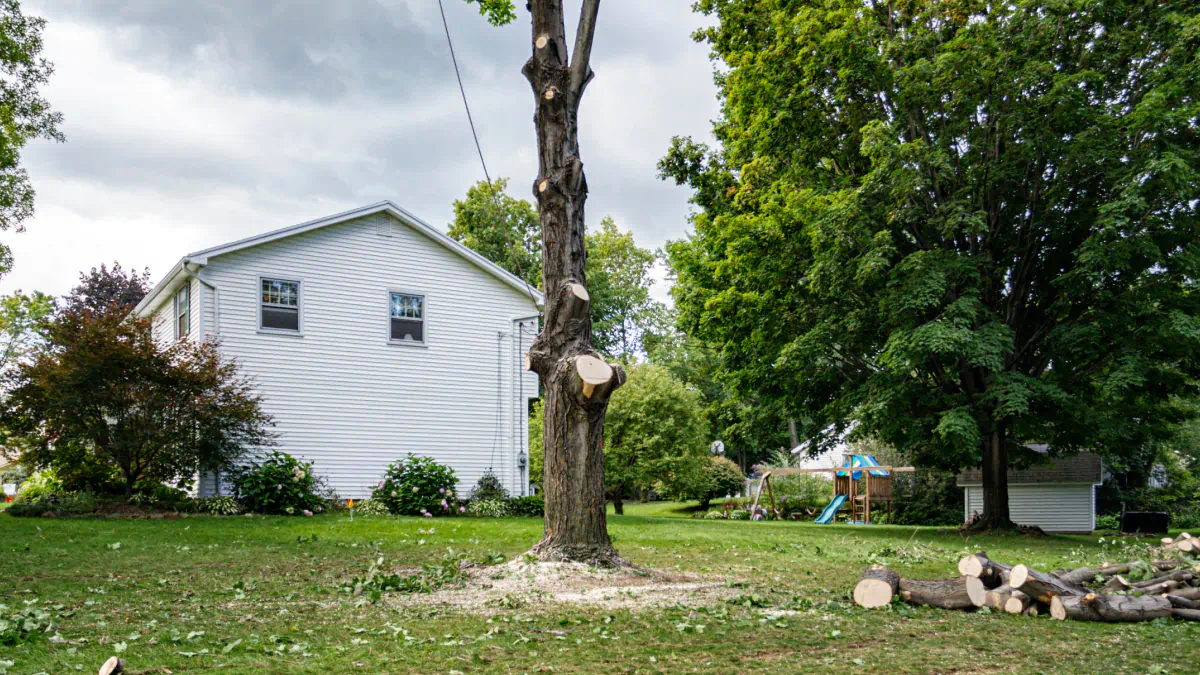
Cutting techniques directly impact wound healing and long-term structural integrity. Always make cuts just outside the branch collar, the swollen area where branches attach to the trunk, allowing natural closure without leaving stubs. Three-cut method prevents bark tearing on larger branches by first creating an undercut, then a top cut further out, and finally removing the remaining stub at the proper angle. Sharp, clean tools produce smooth cuts that heal faster than ragged tears from dull blades. Avoid flush cuts that remove protective collar tissue or leave excessive stubs that invite decay. Never remove more than 25 percent of living crown in a single season, as excessive removal stresses plants and encourages weak, rapid regrowth. Topping, the practice of removing large portions of upper canopy, permanently damages structure and should never be performed. Understanding proper angles and placement protects your landscape while promoting strong, stable growth patterns that withstand weather challenges common throughout North Carolina.
Conduct Regular Health Inspections
Consistent monitoring identifies developing problems before they escalate into costly emergencies. Walk your property seasonally to observe changes in foliage color, density, and distribution patterns that signal stress or disease. Examine trunks for cracks, cavities, or fungal growth indicating internal decay that compromises stability. Check the base for root exposure, soil heaving, or sawdust accumulations suggesting insect activity. Notice any leaning that develops suddenly or worsens gradually, particularly after heavy rain saturates soil and reduces anchoring strength. Document observations with dated photographs to track changes over time and provide valuable information when consulting professionals. Spring inspections before full leaf emergence reveal structural issues, while summer checks assess foliage health during peak growing season. After severe weather events, including the thunderstorms and occasional ice storms that affect Willow Spring, immediate inspection identifies storm damage requiring prompt attention. Early detection enables targeted treatment rather than emergency removal, protecting both your property value and landscape aesthetics while managing costs effectively.
Maintain Proper Mulch Application Around Roots
Mulch application significantly influences root health, moisture retention, and temperature regulation. Apply organic mulch in a two to four inch layer extending to the drip line, creating a protective zone that moderates soil conditions. Keep mulch several inches away from trunk bark to prevent moisture accumulation that encourages rot and provides habitat for pests. Volcano-style mulch piled against trunks causes serious damage despite remaining a common mistake. Refresh mulch annually as it decomposes, adding nutrients to soil while maintaining consistent depth. Organic materials like shredded hardwood or pine bark work best, breaking down gradually to improve soil structure. Proper application suppresses competing vegetation, reduces soil compaction from foot traffic, and protects shallow roots from temperature extremes. During hot North Carolina summers, mulch conserves soil moisture and keeps roots cooler, while winter application insulates against freezing temperatures. This simple practice delivers substantial benefits for minimal investment, supporting vigorous growth and resilience against environmental stresses common throughout the region.
Hire Qualified Professionals for Complex Work
Complex situations require specialized knowledge and equipment beyond typical homeowner capabilities. Large branch removal near structures, power lines, or high-traffic areas demands professional training and insurance coverage. Disease diagnosis and treatment planning benefit from certified expertise that accurately identifies problems and recommends appropriate interventions. Hazardous conditions including leaning specimens, storm-damaged crowns, or suspected root failure require immediate professional assessment to prevent property damage or injury. Qualified professionals maintain proper equipment, follow established safety protocols, and understand species-specific requirements that affect outcomes. Verify credentials, insurance coverage, and references before hiring any contractor for work on your property. JWB Services provides qualified professionals throughout Willow Spring and surrounding Wake County areas, offering reliable solutions for pruning, removal, stump grinding, and health assessments. Our experienced team understands regional conditions, common species, and seasonal challenges affecting North Carolina properties. Trust qualified professionals to protect your landscape investment through proper techniques, appropriate timing, and careful execution that supports long-term health and safety for all woody plants on your residential or commercial property.
